|
|
Costs and Money in IndiaYour money in India can go a very long way but what exactly do you get for your money and how much money do you need for a trip in India? India is a place that suits all budgets but is well known for being a ridiculously cheap place to travel. Obviously, the more touristy places are more expensive but your money can still go a long way if you are careful. What you get for your money in IndiaWherever you are in India, always expect to be charged a little more than locals, it is pretty standard and I think it gets to the point where merchants don't even realise they are doing it! It is possible to get a cup of Chai (tea) or coffee for around 5 Rupees on the street or 20 in a cafe. You can get a good plate of food from as low as 60 Rupees and snacks on the street for 5 or 10. At around 80-100 Rupees a Thali (rice, namm, pickle, ...............offer the best value for money and are usually all you can eat. 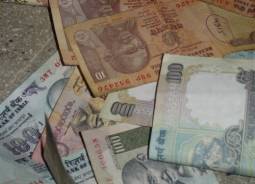
Accomodation and daily costs Prices on accommodation varies a lot depending what time of year it is, where you go and what standards you expect. If you don't mind slumming it a bit you can get a double room for about 200 rupees and a single for 100. That is in a budget hotel, often with a communal shower and toilet, so expect to pay around double that for your own facilities. Price doesn't always reflect the value of the room, it's possible to get lucky and get big, clean rooms with great service for less than stated above but on the other hand, you will occasionally get unlucky so it is worth having a look around town to see what you can find. Taxi and Rickshaw drivers can be a bit hard when agreeing a price so ask a few to see what the going rate is, then half it! You can get a 15 minute rickshaw ride for about 60 rupees if you bargain hard. Some states require rickshaws to use meters but even then they just take you around the long way. Always agree a price before getting in taxi or rickshaw! Buses are the cheapest mode of transport. In towns you can hop on and off buses for as little as 2 rupees. For longer distances use sleeper buses or trains, a 15 hour sleeper bus can cost anything from 300 to 700 rupees and for the same journey on a sleeper train costs about 500 but varies depending on the route. See the transport section for a more comprehensive report on getting around. How much money will I need for my tripDifficult to say but budget for a minimum of $70/week. ON this budget you can live a good life but with very few luxuries. This means cheapest everything but still a beer or two at the end of day. Between $100 - $200 a week will see you living a relatively comfortable life in India with nice accommodation better travel conditions, nicer restaurants etc. But still not the best. for nice hotels and restaurants and things you talking between 3 - $500 a week. These are rough approximations only and the amount of money in India you will need is really determined by what you want from your trip and your only personal standards for accommodation etc. Bartering in IndiaBartering is common place and expected except in restaurants, bars etc. When buying things in a market or taking a taxi/rickshaw always offer half of what they have offered and take it from there. Never seem too desperate to buy something and it never hurts to walk away to get the price lower. I never liked to push too hard unless I knew someone was trying to take me for a ride; in India most people have an awful lot less money as we in the west have and I often felt a little cruel grinding prices down as low as I could. As a general rule, don't expect to pay locals prices but don't pay too much more. Changing money in IndiaChanging money in India is easy and convenient unless you are in some rural village or high in the mountains so just make sure you change enough to last you. Watch out for conmen who hang around outside exchange shops offering better rates. This happened to a friend of mine and he ended up with a bundle of blank bits of paper wrapped in Rupee notes. Also it is worth looking around for a better rates as in tourist areas they will not be so good, it maybe worth heading a bit more out of town. Cash machines (ATM's) in IndiaCash machines are not new to India and you can find them pretty much everywhere you go with thousands of new ones emerging everyday. Most banks usually offer quite good exchange rates but may charge you a fortune to withdraw cash. Check with your bank to see how much they charge (Nationwide offers free cash withdrawals in India) and maybe get in a prepaid travel card which is what I do. Travellers Cheques in IndiaTravellers cheques are safer than cash, if they are lost or stolen you can get replaced pretty quickly and you feel a lot safer than if you were carrying around bundles of cash. When you do want to get them cashed you may struggle to find places to do so and if you do, you may have to wait in a queue for hours! For the best security regarding money in India, use a combination of the above methods, never keep them all in the same place and use a travel belt. India Currency information and exchange rate |